

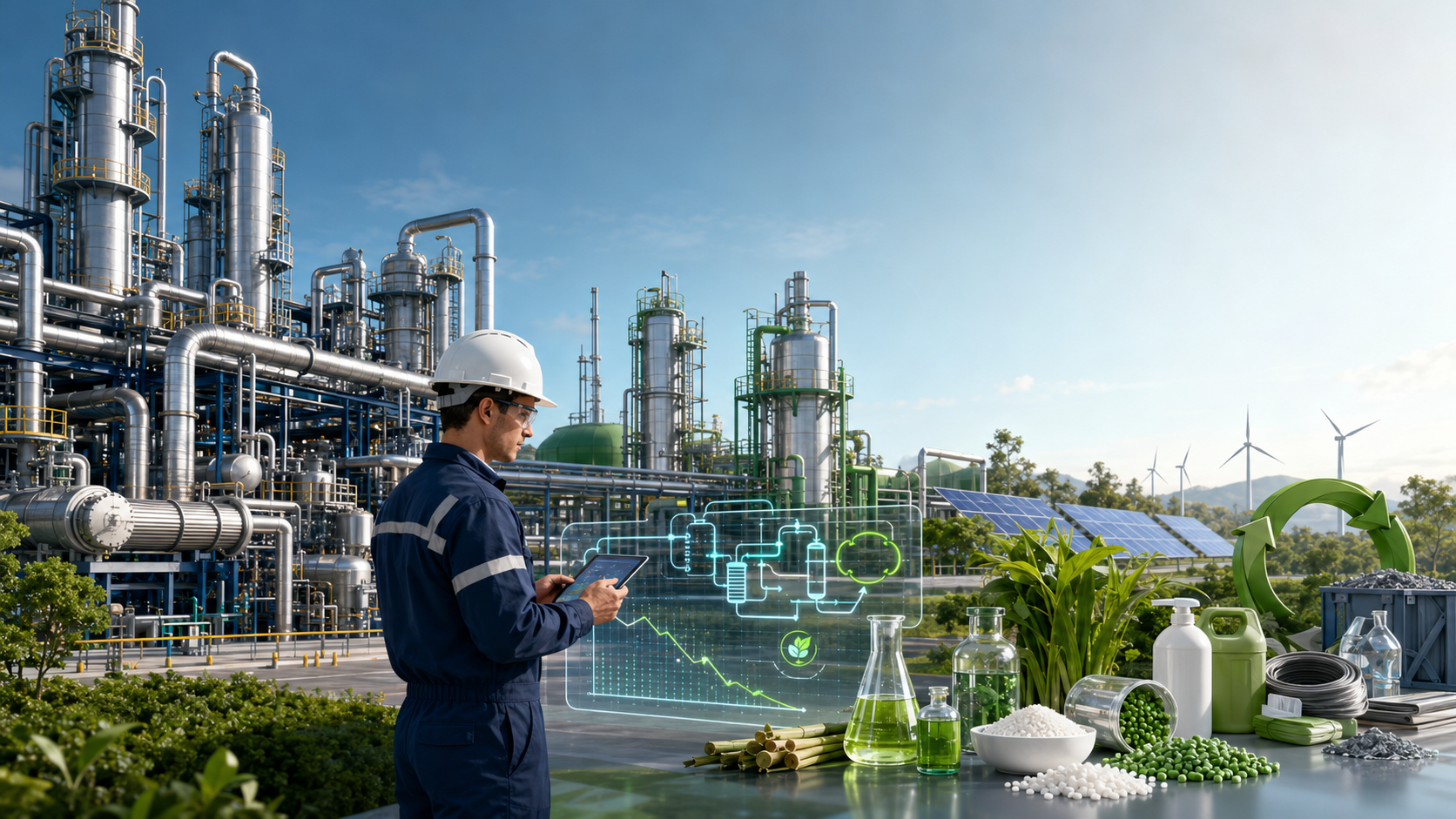
หลักการการบรรลุเป้าหมายกระบวนการผลิตในอุตสาหกรรมเคมีที่มีคาร์บอนต่ำและยั่งยืน ความรู้เกี่ยวกับแหล่งกำเนิดการปล่อยก๊าซและการประยุกต์ใช้โซลูชันทางวิศวกรรมที่เป็นนวัตกรรม กลยุทธ์การลดคาร์บอนในอุตสาหกรรมกระบวนการ โดยเฉพาะการปล่อยคาร์บอน การเพิ่มประสิทธิภาพด้านพลังงาน และความยั่งยืนในระดับระบบ การบูรณาการพลังงาน กระบวนการอินเทนซิฟิเคชั่น การเพิ่มประสิทธิภาพกระบวนการผลิต การใช้วัตถุดิบทางเลือกและพลังงานหมุนเวียน การผลิตสารเคมีชีวภาพ และหลักการเศรษฐกิจหมุนเวียน การลดของเสียและเพิ่มมูลค่าทรัพยากร การประยุกต์ใช้ในภาคปิโตรเลียม โรงกลั่น ปิโตรเคมี และพอลิเมอร์
Principles for achieving low-carbon and sustainable chemical manufacturing; knowledge of emission sources and the application of innovative engineering solutions; carbon reduction strategies in process industries focusing on carbon emissions, energy efficiency improvement, and system-level sustainability; energy integration; process intensification; process optimization; utilization of alternative feedstocks and renewable energy; production of bio-based chemicals; circular economy principles for waste reduction and resource valorization; applications in petroleum, refinery, petrochemical, and polymer sectors
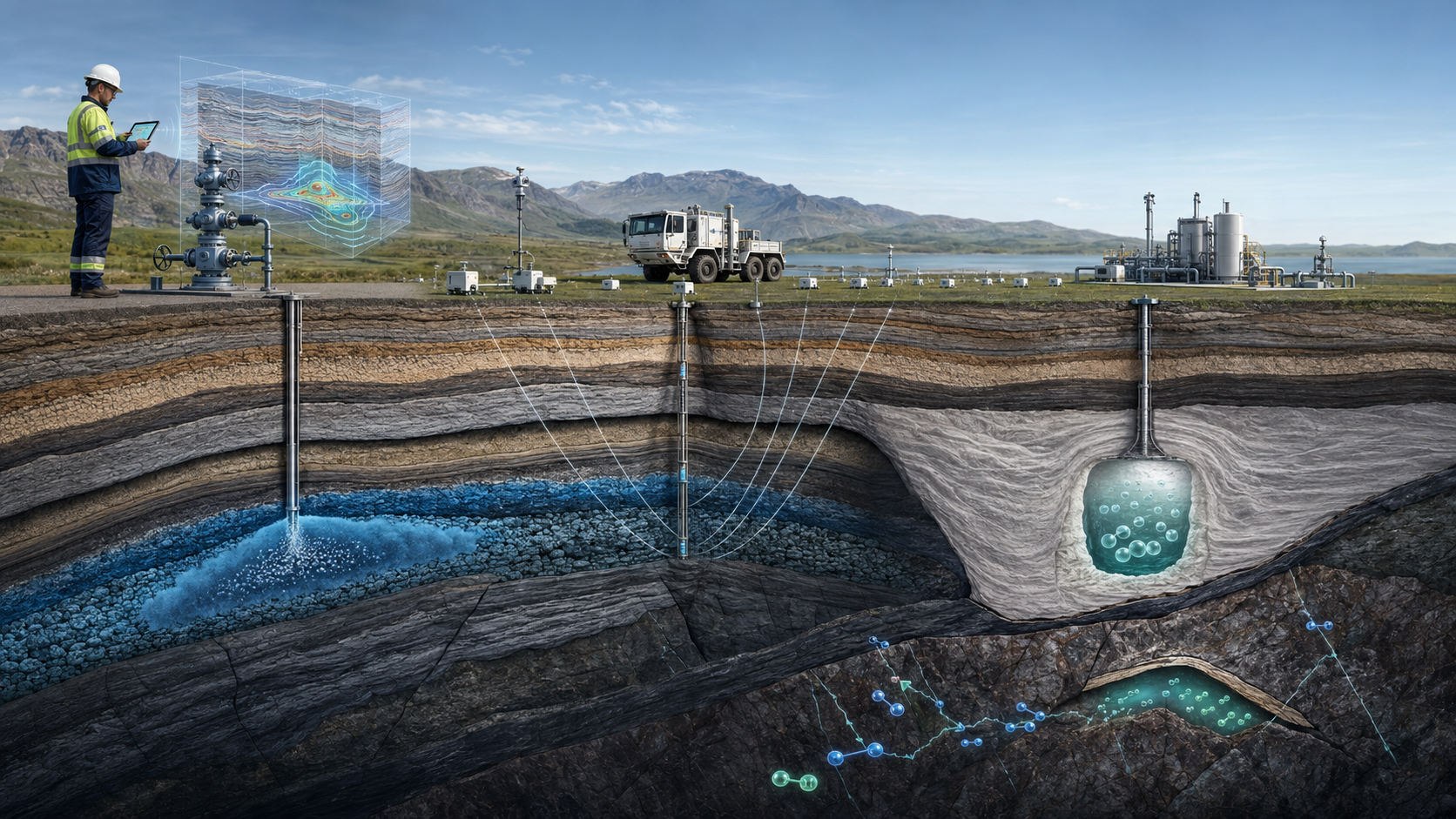
เทคโนโลยีใต้พื้นผิวที่เกี่ยวข้องกับการกักเก็บคาร์บอน การจัดเก็บไฮโดรเจนใต้ดิน และการสำรวจแหล่งไฮโดรเจนตามธรรมชาติ กลไกการดักจับก๊าซคาร์บอนไดออกไซด์ การคัดเลือกพื้นที่ที่เหมาะสมสำหรับการจัดเก็บ วิธีการจัดเก็บไฮโดรเจน และกระบวนการทางธรณีวิทยาที่นำไปสู่การเกิดไฮโดรเจนตามธรรมชาติ เทคนิคทางธรณีฟิสิกส์สำหรับการวิเคราะห์ลักษณะใต้พื้นผิวและการประเมินความเสี่ยง การวิเคราะห์โครงการจริงโดยใช้เกณฑ์ทางเทคนิค สิ่งแวดล้อม และเศรษฐศาสตร์อย่างรอบด้าน
Subsurface technologies related to carbon storage, underground hydrogen storage, and natural hydrogen exploration; mechanisms of carbon dioxide trapping; site selection criteria for carbon storage; methods for hydrogen storage; geological processes leading to natural hydrogen generation; geophysical techniques for subsurface characterization and risk assessment; analysis of real projects using comprehensive technical, environmental, and economic criteria
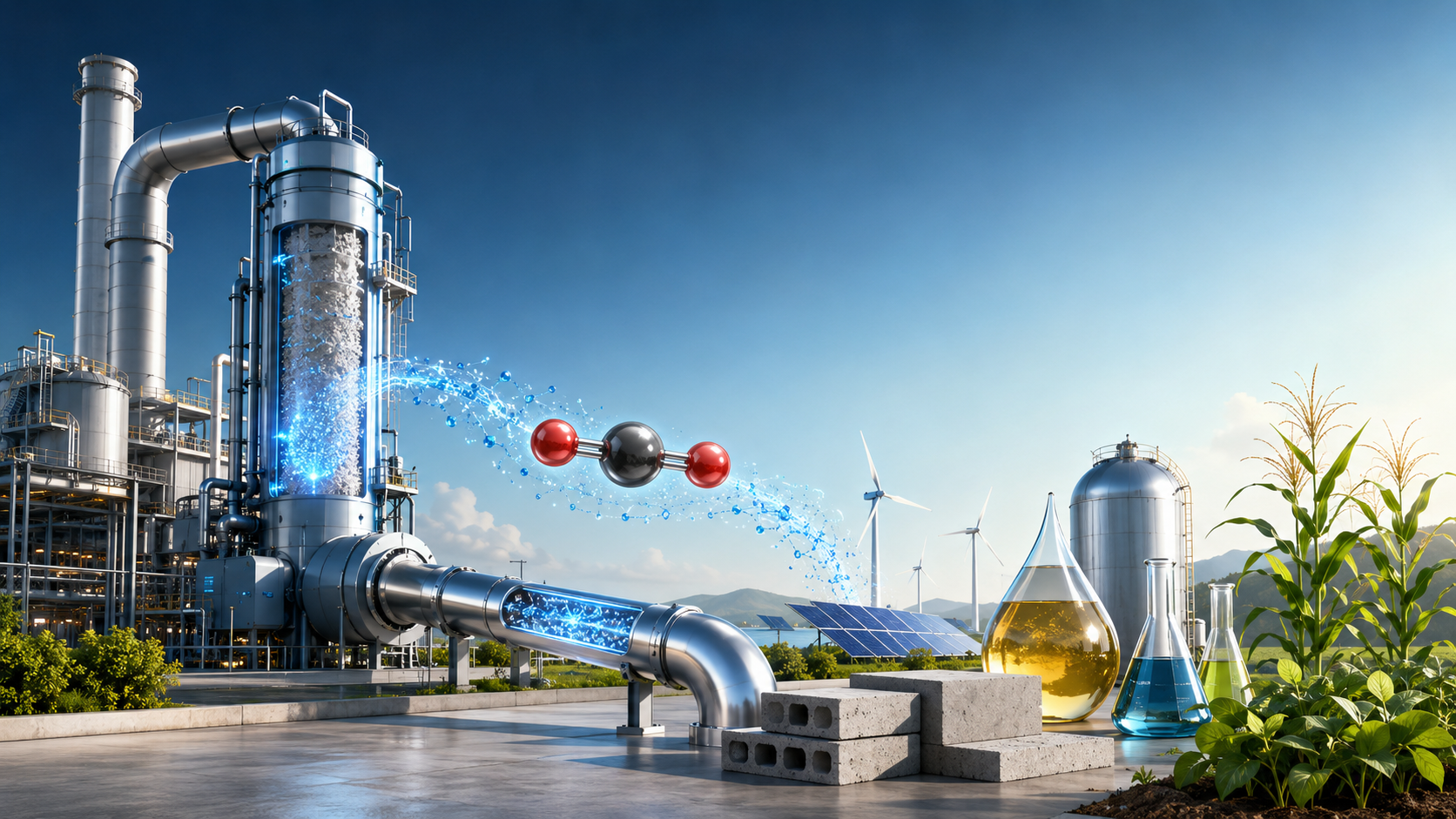
แนวคิดพื้นฐานและความก้าวหน้าของเทคโนโลยี CCU (Carbon Capture and Utilization) การใช้ประโยชน์ก๊าซ CO₂ ในการผลิตเชื้อเพลิงสังเคราะห์ เคมีภัณฑ์ วัสดุก่อสร้าง และการเกษตร การดักจับคาร์บอนในรูปแบบต่าง ๆ การบูรณาการสู่เป้าหมาย Net Zero การเชื่อมโยงกับนโยบายด้านพลังงานและสิ่งแวดล้อมทั้งในระดับสากลและระดับประเทศ กรณีศึกษาและการประยุกต์ใช้ในอุตสาหกรรมและการวิจัย การพัฒนาความรู้และทักษะเพื่อการเปลี่ยนผ่านสู่สังคมคาร์บอนต่ำอย่างยั่งยืน
Fundamentals and advancements of Carbon Capture and Utilization (CCU), CO2 utilization for the production of synthetic fuels, chemicals, construction materials, and agricultural applications, various approaches to carbon capture, integration with Net Zero emission targets, linkage to energy and environmental policies at global and national levels, case studies and applications in industry and research, knowledge and skills for supporting the transition to a sustainable low-carbon society
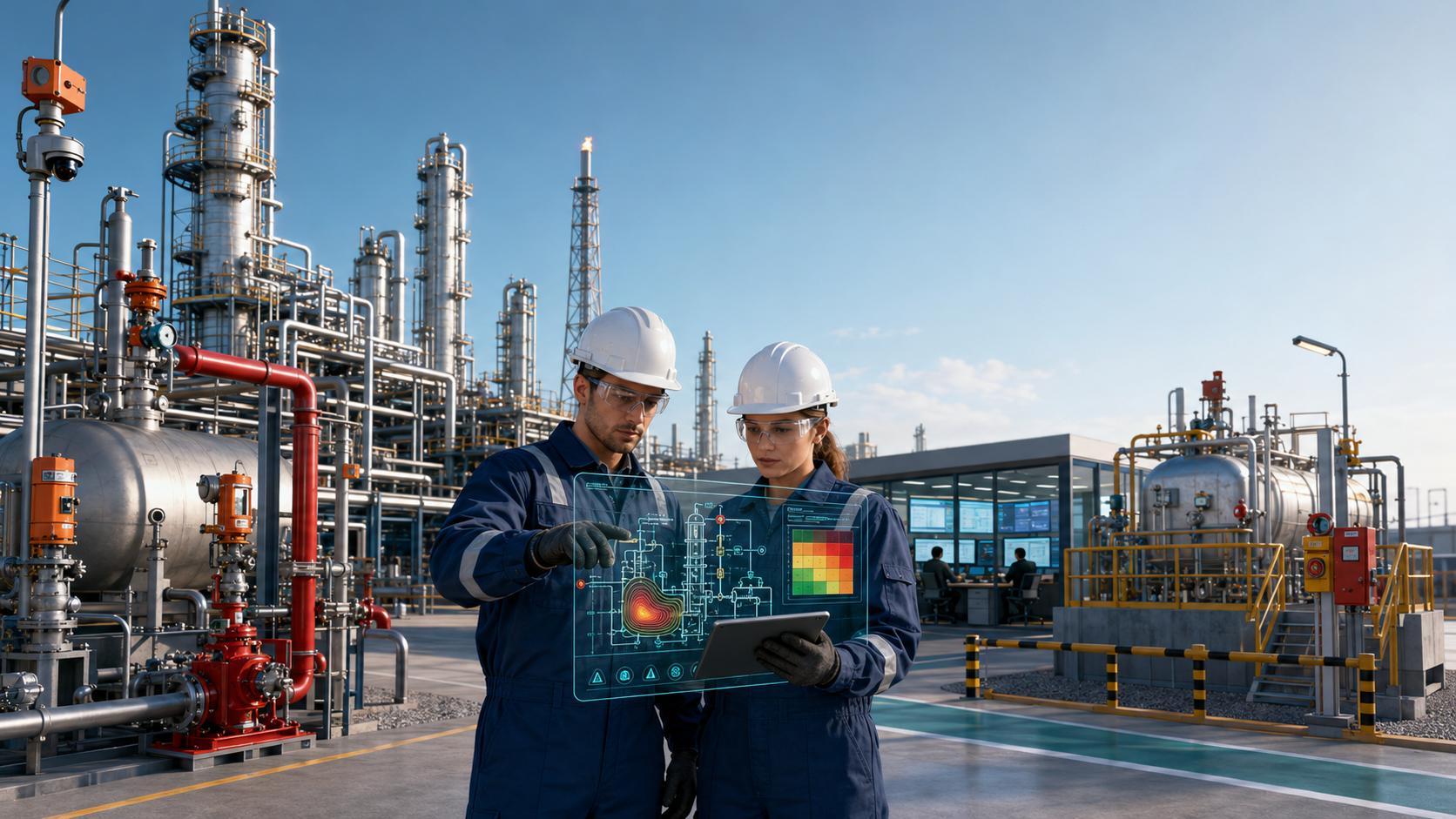
Fundamental principles of process safety for petroleum and petrochemical industries; safety culture, lessons learned from major accidents, and safety review throughout the facility life cycle; hazard identification and risk assessment in process operations; concepts of safer design and safe operation; analysis of chemical, fire, explosion, and overpressure hazards; prevention and mitigation systems for hazardous events; control of ignition sources and hazardous areas; and principles of process safety management, including management of change, incident investigation, and human factors related to safe operation
Chulalongkorn University
The Petroleum and Petrochemical College
The program collaborates with leading international institutions through visiting faculty teaching, academic seminars, and joint thesis supervision.
The program follows an international semester system, with each regular semester comprising at least 15 weeks. No summer session is offered.
Graduate students may register for a maximum of 15 credits in a regular semester and 6 credits in a summer session, where applicable.
Mode of study: Class-based studyCredit transfer: Credit transfer is not normally permitted, except under an approved international academic cooperation agreement and subject to Chulalongkorn University regulations.
The program comprises 24 credits of coursework and a 12-credit master's thesis. The curriculum combines a common academic foundation with sufficient elective flexibility for students to shape a study pathway aligned with their research and professional interests.
Select a course code to view its official course description.
The recommended study sequence establishes the principal coursework foundation during the first year and progressively transitions toward independent thesis research in the second year.
Coursework develops the advanced disciplinary foundation required for graduate-level study in petroleum and energy technology.
Students deepen specialist knowledge through advanced and elective coursework aligned with academic and research interests.
Seminar: 1 credit • Thesis: 6 credits. The program emphasis shifts from taught study toward supervised research.
Students focus on thesis research, analysis, scholarly communication, and completion of the master's research requirement.
Program structure and credit requirements are based on the official MS-PLE curriculum. The maximum period of study is four years. Course offerings and study sequencing are subject to the academic regulations and announcements of the program.